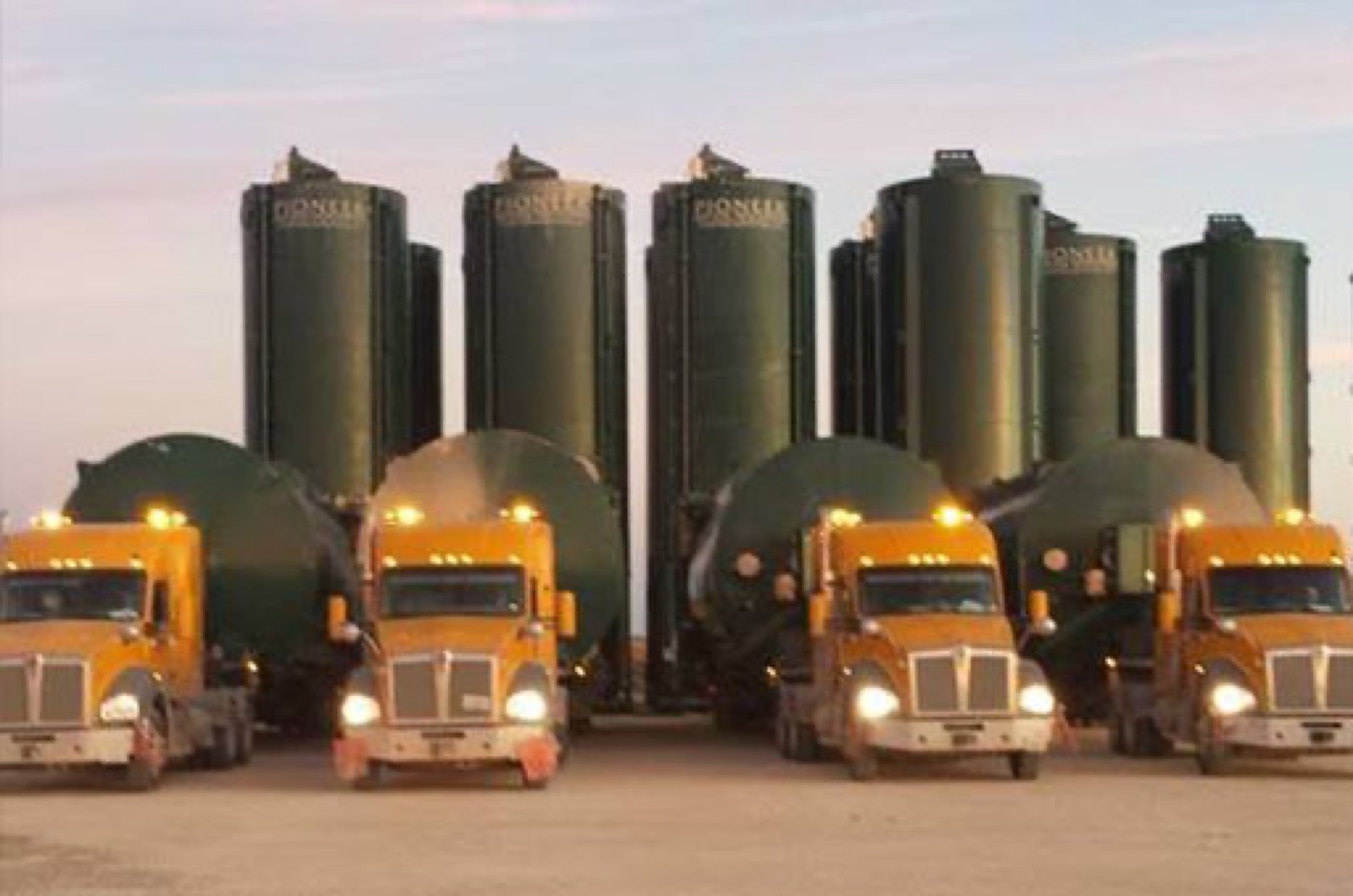
Logistics Service
Transloading Services
Rail-to-truck and truck-to-rail transitions for bulk materials and project cargo.
Bridging rail and truck for bulk
For most bulk materials, rail is the cheapest way to move long distances — but the destination needs trucks. Transloading is where rail meets road.
What we transload
- Frac sand — from rail terminal to oilfield trucks
- Cement — from manufacturer rail to batch plant trucks
- Fly ash — from generation rail to disposal or use site trucks
- Limestone and aggregates — from quarry rail to local delivery
- Project cargo — flat-rack rail to truck for industrial components (crane-side)
Storage types
| Type | Best for |
|---|---|
| Flat storage | Mixed materials, large volume, stockpile reclaim |
| Vertical (silo) storage | Pneumatic load-out, faster cycle, cleaner handling |
| Combination | Most active terminals run both |
What we offer
- Receiving rail — track access, unload labor, inspection
- Storage — flat and vertical, sized to project
- Truck loading — pneumatic for bulk, conventional for project cargo
- Inventory tracking — by lot, weight, and date
- 24/7 operation during active campaigns
Plan a transload › or call 24/7 dispatch: 405-506-1869
Frequently asked questions
What is transloading?
Transloading transfers cargo between transportation modes — typically rail-to-truck or truck-to-rail. For bulk materials, this means unloading material from rail hoppers and pneumatically loading it into trucks for last-mile delivery (or the reverse).
When do I need transloading?
When the origin (mine, plant, terminal) ships by rail but the destination (job site, batch plant, completion pad) needs truck delivery. Rail is cheaper per ton-mile for long distances; trucks are essential for the last mile. Transload bridges them.
Do you handle non-bulk transload too?
Yes — for project cargo and components, we coordinate rail-to-truck transload at our crane-equipped yards. See crane-side component transloading for project cargo.
What's the difference between flat and vertical storage at a transload?
Flat storage means material is stockpiled on a pad and reclaimed by loader or front-end equipment. Vertical storage uses silos, allowing pneumatic load-out directly into trucks. Vertical is faster and cleaner; flat is more flexible for material types and volumes.
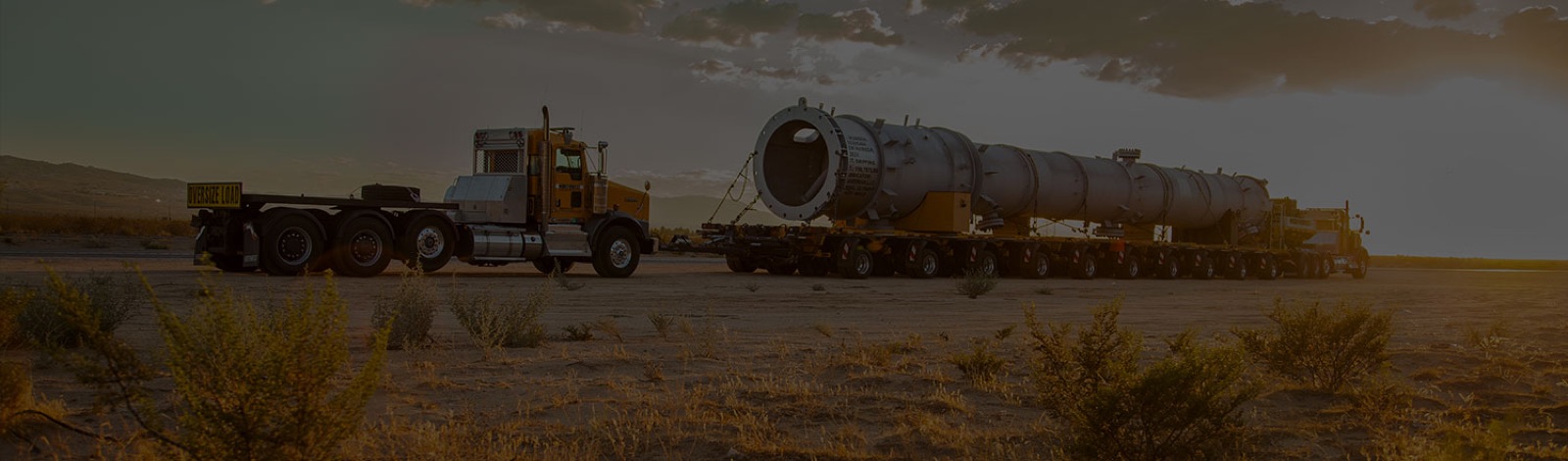
24/7 Dispatch · Nationwide
Tell us what you need to move.
One call covers the crane, the haul, and the logistics. We’ll spec the crew, the equipment, and the route — and put a written quote in your hands.
Request a Quote 24/7 Dispatch Lines
- Crane & Rigging405-373-2979
- Heavy Haul405-506-1850
- Bulk Logistics405-506-1869